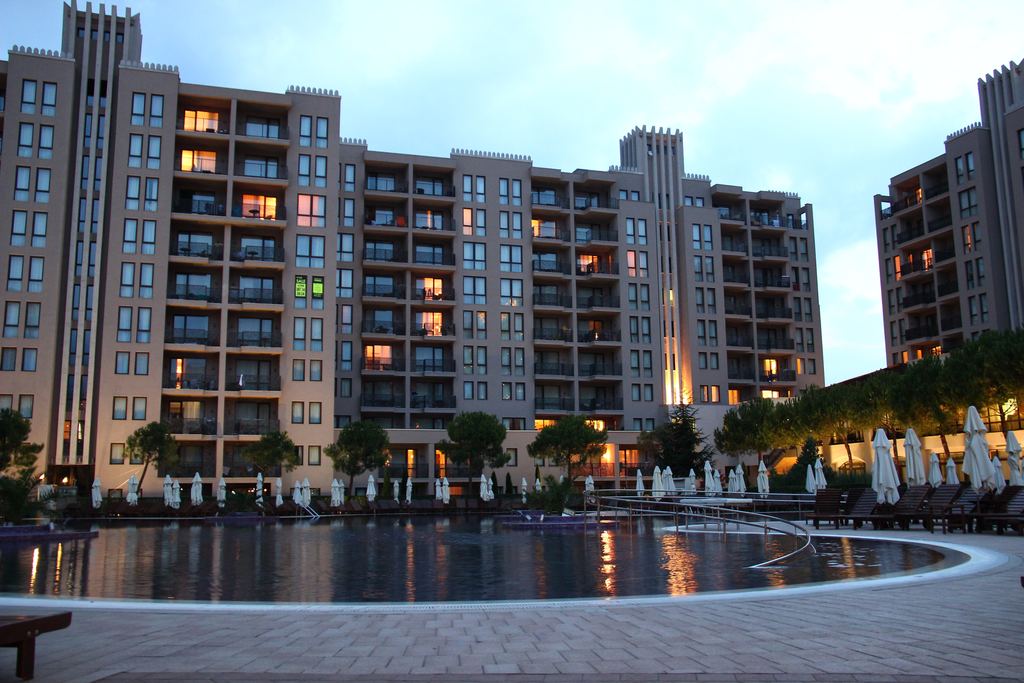
As a retired real estate agent who served the Toronto market for over two decades, I have witnessed the remarkable growth and transformation of this vibrant city. Throughout my career, I had the privilege of assisting clients in finding their dream high-end apartments, condos, and waterfront properties. Today, I’m thrilled to share my experience, insights, and passion for Toronto’s luxury real estate market through this blog.
Discover the Magic of Toronto:
Toronto, the cosmopolitan gem of Canada, offers a unique blend of urban sophistication, cultural diversity, and natural beauty. From the bustling streets of downtown to the serene waterfront, this city has something to offer for everyone seeking an exceptional living experience. The beautiful concrete skyscape is something like none other. Through this blog, I aim to provide you with a comprehensive understanding of Toronto’s luxury real estate market, showcasing the finest properties and sharing my firsthand knowledge of this remarkable city.
From Agent to Advisor:
After retiring from the real estate industry, I realized my passion for luxury properties and assisting others in their pursuit of refined living experiences in Toronto. Transitioning from an agent to an advisor, I now focus on helping individuals find and manage their luxury investment properties. I draw upon my extensive knowledge of the Toronto market, my experience in negotiating complex transactions, and my understanding of the unique needs of luxury property owners.
Navigating the Trials and Tribulations:
Over the years, I encountered various challenges and learned invaluable lessons in the Toronto luxury real estate market. From navigating fluctuating market trends to managing client expectations, I’ve experienced the trials and tribulations that come with this industry. Through this blog, I aim to share my insights and guide you through the intricacies of the luxury real estate market, providing you with the knowledge and tools necessary to make informed decisions and maximize your investment potential.
Unveiling Toronto’s Luxury Real Estate Market:
Through in-depth articles, market analyses, and property spotlights, I will unveil Toronto’s luxury real estate landscape. We’ll explore the most desirable neighborhoods, highlight iconic high-end apartments and condos, and showcase the breathtaking waterfront properties that grace the city’s shoreline. From the sleek and modern condominiums of Yorkville with stamped concrete accents, to the historic charm of The Annex, we’ll embark on a journey through Toronto’s most coveted addresses.
Investing in Luxury:
Toronto’s luxury real estate market presents a wealth of investment opportunities for discerning buyers. Whether you seek a sophisticated pied-à-terre, a spacious penthouse with stunning skyline views, or a waterfront oasis, I will provide valuable insights into the investment potential of these properties. From rental yields and capital appreciation to the lifestyle benefits of owning a luxury property in Toronto, we’ll explore the myriad advantages of investing in this dynamic market.
Conclusion:
Join me on this exciting journey through the luxurious living options in the heart of Toronto. Through personal anecdotes, market expertise, and a deep understanding of the city, I will be your guide to the world of high-end apartments, condos, and waterfront properties. Together, we’ll uncover the hidden gems, navigate the challenges, and embrace the allure of Toronto’s luxury real estate market. Get ready to embark on a remarkable adventure as we explore the unparalleled opportunities that await you in this dynamic city.
- Luxury Living Redefined: The Role of Foam Insulation in High-End Homes

When it comes to luxury homes, the emphasis is often on elegance, comfort, and cutting-edge technology. While these elements are certainly important, the foundation of a truly luxurious home lies in its construction and energy efficiency. Foam insulation, with its superior insulating properties, is playing an increasingly critical role in the construction of high-end homes. This blog post explores how foam insulation enhances luxury living by improving energy efficiency, comfort, and sustainability, and offers practical insights into its applications and benefits.
The Essence of Luxury Living
Luxury homes are distinguished by their attention to detail, quality materials, and sophisticated design. However, the unseen elements—those that ensure comfort, efficiency, and long-term value—are just as important. Foam insulation is one such element that contributes significantly to the luxury living experience by creating a comfortable and energy-efficient environment.
Energy Efficiency and Environmental Responsibility
In today’s world, energy efficiency is a hallmark of luxury living. High-end homeowners are increasingly aware of their environmental footprint and seek ways to minimize energy consumption without sacrificing comfort. Foam insulation provides an effective solution by offering a high R-value per inch, which translates to excellent thermal resistance.
Example: A luxury home insulated with spray foam can maintain stable indoor temperatures year-round, reducing the need for heating and cooling and significantly lowering energy bills. This not only enhances comfort but also aligns with the growing trend towards sustainable and environmentally responsible living.
Enhanced Comfort and Indoor Air Quality
Luxury is synonymous with comfort, and foam insulation excels in this area. By creating an airtight seal, spray foam insulation eliminates drafts, cold spots, and temperature fluctuations. This results in a more consistent and comfortable indoor climate.
Example: In a luxury estate, open-cell spray foam insulation in the walls and ceilings ensures that every room maintains a comfortable temperature, enhancing the overall living experience. Additionally, foam insulation acts as an effective barrier against pollutants and allergens, improving indoor air quality and contributing to a healthier living environment.
Noise Reduction
Soundproofing is another critical aspect of luxury living. High-end homeowners value peace and tranquility, and foam insulation can significantly reduce noise transmission. Open-cell spray foam, in particular, is effective at dampening sound, making it an ideal choice for interior walls and ceilings.
Example: In a luxury apartment building, spray foam insulation between units provides superior soundproofing, ensuring that residents enjoy a quiet and private living space despite being in close proximity to their neighbors.
Applications of Foam Insulation in Luxury Homes
Foam insulation can be used in various parts of a luxury home to enhance its performance, comfort, and aesthetic appeal. Here are some common applications:
Walls
Both spray foam and rigid foam board insulation can be used in the walls of a luxury home to create a well-insulated building envelope. Spray foam is particularly effective in sealing gaps and cracks, while rigid foam boards provide continuous insulation and reduce thermal bridging.
Example: In a modern luxury villa, using closed-cell spray foam insulation in the exterior walls not only boosts energy efficiency but also reinforces the structural integrity of the building, adding to its long-term value.
Roofs and Attics
Insulating the roof and attic with foam insulation helps maintain consistent temperatures throughout the home and prevents heat loss during winter and heat gain during summer. Spray foam insulation can be applied directly to the underside of the roof deck, creating an airtight seal and improving energy efficiency.
Example: A luxury mountain retreat with spray foam insulated roofs and attics remains cozy and warm during harsh winters and comfortably cool in the summer, enhancing the overall living experience.
Basements and Crawl Spaces
Foam insulation is ideal for basements and crawl spaces due to its moisture resistance and ability to create an airtight seal. Closed-cell spray foam is particularly effective in these areas, preventing moisture infiltration and reducing the risk of mold growth.
Example: A luxury coastal home with closed-cell spray foam insulation in the basement and crawl spaces is protected from moisture-related issues, ensuring a dry, healthy, and usable space.
Exterior Applications
Rigid foam board insulation can be installed on the exterior of a home’s frame to create a continuous insulation layer. This method reduces thermal bridging and enhances the overall energy efficiency of the building.
Example: A high-end contemporary home with rigid foam board insulation on the exterior walls boasts superior energy performance and reduced heat loss, contributing to lower utility bills and a more comfortable indoor environment.
Practical Tips for Implementing Foam Insulation in Luxury Homes
To maximize the benefits of foam insulation in luxury homes, it’s important to follow best practices and ensure proper installation:
Choose the Right Type of Foam
Select the appropriate type of foam insulation based on the specific needs of the project. Open-cell spray foam is ideal for interior applications and soundproofing, while closed-cell spray foam and rigid foam boards are better suited for areas requiring high R-values and moisture resistance.
Tip: Consult with a professional insulation contractor to determine the best type of foam insulation for your luxury home.
Ensure Proper Installation
Proper installation is crucial for maximizing the benefits of foam insulation. Hire experienced and certified installers who understand the intricacies of applying spray foam and installing rigid foam boards.
Tip: Request references and check reviews to find reputable insulation contractors with a proven track record of quality work.
Incorporate Ventilation
While foam insulation creates an airtight seal, proper ventilation is still necessary to maintain indoor air quality. Plan for adequate ventilation systems to prevent issues related to air quality and moisture.
Tip: Consider installing mechanical ventilation systems, such as heat recovery ventilators (HRVs), to ensure a healthy indoor environment.
Real-World Examples of Luxury Homes with Foam Insulation
Modern Mansion
A modern mansion in California utilized closed-cell spray foam insulation in its walls, roof, and basement. This not only provided excellent thermal insulation and moisture protection but also reinforced the structural integrity of the home. The result was a highly energy-efficient, comfortable, and durable luxury residence.
Urban Penthouse
An urban penthouse in New York City benefited from open-cell spray foam insulation in its interior walls and ceilings. This application provided superior soundproofing, ensuring a quiet and private living space. The insulation also improved the penthouse’s energy efficiency, making it a desirable and comfortable high-end property.
Coastal Villa
A coastal villa in Florida used closed-cell spray foam insulation in its exterior walls and roof. This approach protected the home from the humid, salty air and provided excellent thermal insulation. The villa remained cool and comfortable during hot summers and warm in the winter, offering a luxurious living experience year-round.
Conclusion
Foam insulation is a game-changer in the construction and renovation of luxury homes. Its superior insulating properties, combined with benefits like enhanced comfort, noise reduction, and environmental responsibility, make it an essential component of high-end living. Whether used in walls, roofs, basements, or exterior applications, foam insulation provides long-lasting benefits that elevate the luxury living experience. By understanding the different types of foam insulation and following best practices for installation, homeowners and builders can create energy-efficient, comfortable, and sustainable luxury homes that stand the test of time. As the demand for luxurious, environmentally responsible homes continues to grow, foam insulation will play a pivotal role in shaping the future of high-end residential construction.
- Building Luxury and Longevity: The Rise of Concrete Apartments and High-End Condos

Concrete construction has long been a staple in the building industry, known for its strength, durability, and versatility. Recently, it has gained prominence in the realm of residential development, particularly in the construction of apartments and high-end condominiums. This blog post delves into the advantages of using concrete in luxury residential projects, examines current trends, and explores how these developments are reshaping urban living.
The Strengths of Concrete in Residential Construction
Concrete offers numerous benefits that make it an ideal choice for apartments and high-end condos, ensuring that these residences are not only luxurious but also built to last.
Durability and Low Maintenance
One of the primary advantages of concrete is its durability. Concrete structures can withstand extreme weather conditions, resist pests, and are less prone to damage from fire and water. This resilience translates to lower maintenance costs over the building’s lifetime, making concrete an economically wise choice for developers and homeowners alike.
Superior Insulation and Energy Efficiency
Concrete has excellent thermal mass properties, which means it can absorb and store heat, helping to regulate indoor temperatures. This natural insulation reduces the need for artificial heating and cooling, resulting in lower energy consumption and utility bills. For luxury condos and apartments, this translates to enhanced comfort and significant savings on energy costs.
Sound Insulation
Privacy and tranquility are crucial elements of high-end living. Concrete’s density provides superior sound insulation, minimizing noise from neighboring units and the external environment. This ensures a peaceful living experience, which is a significant selling point for luxury apartments and condos.
Aesthetic Flexibility
Modern concrete construction techniques offer a range of aesthetic possibilities. Concrete can be molded into various shapes and finishes, allowing architects and designers to create unique, visually appealing structures. From sleek, minimalist designs to intricate, ornate facades, concrete provides the flexibility to achieve virtually any architectural vision.
Current Trends in Concrete Apartments and High-End Condos
The integration of concrete in luxury residential projects is influenced by several emerging trends that cater to contemporary lifestyles and preferences.
Sustainable Building Practices
Sustainability is a key consideration in modern construction. Concrete’s durability and energy efficiency contribute to the sustainability of buildings, but developers are taking additional steps to minimize environmental impact. This includes using eco-friendly materials, incorporating green roofs and walls, and achieving certifications such as LEED (Leadership in Energy and Environmental Design). These practices appeal to environmentally conscious buyers and add value to the properties.
Smart Home Integration
High-end condos and apartments are increasingly incorporating smart home technologies. Features such as automated lighting, climate control, and security systems enhance the convenience and luxury of these residences. Concrete buildings, with their inherent stability and strength, provide an ideal foundation for integrating these advanced technologies.
Mixed-Use Developments
There is a growing trend towards mixed-use developments that combine residential, commercial, and recreational spaces. Concrete construction is well-suited to these complex projects, offering the strength and flexibility needed to create multi-functional buildings. Residents of these developments enjoy the convenience of having shops, restaurants, and entertainment venues within walking distance, enhancing the appeal of high-end living.
Case Studies: Notable Concrete Apartments and High-End Condos
Several notable projects exemplify the advantages and appeal of concrete construction in luxury residential developments.
The Iconic Tower, Miami
The Iconic Tower in Miami is a stunning example of modern concrete construction. This high-rise condominium features sleek, contemporary design and state-of-the-art amenities. Its concrete structure provides exceptional durability and sound insulation, ensuring a peaceful living environment. The building’s energy-efficient systems and sustainable practices have earned it LEED certification, making it a model for eco-friendly luxury living.
The Pinnacle Residences, New York City
The Pinnacle Residences in New York City showcase the aesthetic versatility of concrete. This high-end apartment building boasts a unique, sculptural facade that stands out in the city skyline. Inside, residents enjoy spacious, elegantly designed units with floor-to-ceiling windows that offer breathtaking views. The concrete construction ensures the building’s longevity and provides excellent thermal and sound insulation, enhancing the overall living experience.
The Harmony Condos, San Francisco
The Harmony Condos in San Francisco combine luxury with sustainability. This mixed-use development features residential units, retail spaces, and green areas, all constructed with eco-friendly concrete. The building’s design incorporates green roofs, solar panels, and rainwater harvesting systems, reflecting a commitment to environmental stewardship. Residents enjoy the benefits of sustainable living without compromising on luxury and comfort.
The Future of Concrete in Luxury Residential Construction
As urban populations continue to grow, the demand for high-quality, durable, and sustainable housing solutions will increase. Concrete construction is poised to play a crucial role in meeting this demand, particularly in the luxury segment.
Innovations in Concrete Technology
Advancements in concrete technology are continually expanding the possibilities for its use in residential construction. High-performance concrete mixes, self-healing concrete, and lightweight concrete are just a few examples of innovations that enhance the material’s properties and applications. These developments will enable the creation of even more sophisticated and resilient buildings in the future.
Focus on Wellness and Lifestyle
Future luxury developments will likely place a greater emphasis on wellness and lifestyle amenities. Concrete’s versatility allows for the incorporation of features such as wellness centers, spa facilities, and green spaces. These amenities cater to the holistic well-being of residents, enhancing the appeal of high-end condos and apartments.
Sustainable Urban Development
Concrete will continue to play a key role in sustainable urban development. As cities strive to reduce their environmental impact, the demand for energy-efficient, durable, and low-maintenance buildings will grow. Concrete’s inherent properties, combined with sustainable building practices, make it an ideal material for creating eco-friendly urban environments.
Conclusion
Concrete apartments and high-end condos represent the future of luxury urban living. Their durability, energy efficiency, sound insulation, and aesthetic flexibility make them an attractive option for developers and buyers alike. As construction technologies and sustainable practices continue to evolve, concrete will remain at the forefront of residential development, shaping the skylines and lifestyles of cities around the world. For those seeking a blend of luxury, longevity, and sustainability, concrete is the foundation upon which dreams are built.
- Rooting Investments in Real Estate: A Deep Dive into Profitable Ventures

Introduction: Paving the Path Towards Financial Growth in Real Estate
Real estate investments stand tall as one of the most robust and rewarding financial ventures. From ensuring a solid start with a reliable foundation contractor to understanding the nuances of property value appreciation and strategic asset management, real estate investment unfurls a world where financial growth is intimately tied with tangible assets and visible development.
Planting Seeds for Future Growth: Investment in Landscaping and Environment
The value of a property is not merely confined to its bricks and mortar but extends to the environment that envelops it. Investing in professional tree care not only enhances the aesthetic appeal of an investment property but also propels its market value by contributing to a healthy, lush, and appealing surroundings, thus promising future growth and augmented returns.
Pruning for Prosperity: Regular Maintenance as a Keystone in Property Value Appreciation
Just as a tree flourishes with regular pruning, so does a property with consistent maintenance. Employing skilled services such as tree pruning ensures that every element of the property is in prime condition, thereby safeguarding the investment and fostering a gradual, steadfast appreciation in its value. These maintenance efforts translate into enhanced attractiveness for potential buyers and renters, thereby solidifying the profitability of the investment.
Strategic Decision Making: Navigating Through the Real Estate Investment Landscape
The journey through real estate investment is paved with strategic decisions and insightful management. From selecting the right properties, understanding market trends, to optimizing rental yields, and timely buying and selling, investors weave through a myriad of considerations. The confluence of strategic planning, market insight, and meticulous property management shapes the trajectory towards lucrative outcomes in real estate investments.
Conclusion: Building Wealth by Anchoring Investments in Solid Ground
Anchoring investments in the tangible realm of real estate opens avenues for robust financial growth and stability. Through meticulous property selection, strategic management, and consistent maintenance, investors cultivate a portfolio that not only stands the test of time but also promises a future of financial security and prosperity. As each property is nurtured, pruned, and managed, the seeds sown today promise a rich harvest in the future of real estate investment.
©2023 Real Estate Investment Insights. All Rights Reserved.
- Condo Living in Toronto: Pest Control Strategies for High-Rise Buildings
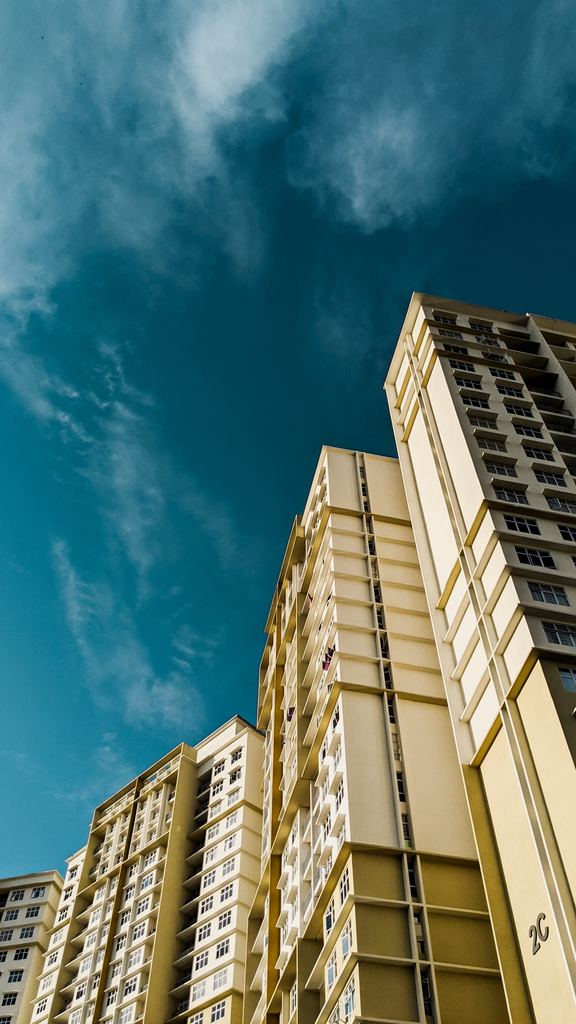
High-rise living in bustling Toronto offers numerous advantages, from panoramic views to convenient access to urban amenities. However, as with any dense residential area, pest control can be a challenge in these vertical neighbourhoods. In this blog post, we explore pest control strategies for high-rise condos in Toronto to ensure a peaceful and pest-free living experience.
The High-Rise Pest Profile
Understanding the pests commonly found in high-rises is the first step to effective pest management. In Toronto, the most common pests in condo buildings include cockroaches, bed bugs, rodents, and ants. Each pest requires a different control strategy due to their unique behaviours and habitat preferences.
Implementing an Integrated Pest Management (IPM) Approach
The most effective pest control strategy for high-rise condos is an Integrated Pest Management (IPM) approach. IPM involves combining several strategies to manage pests effectively and responsibly. It includes preventive measures, monitoring for pest activity, and using least harmful methods to control pests when necessary.
Prevention is Key
Preventing a pest problem is easier and more cost-effective than trying to get rid of pests once they have settled in.
- Seal cracks and openings: Pests can squeeze through surprisingly small gaps. Sealing cracks around windows, doors, and where utilities enter the condo can prevent pests from entering.
- Proper waste management: Proper garbage and recycling practices are crucial in high-rise buildings. Pests are attracted to waste, so ensuring that garbage is disposed of properly and that containers are clean can help deter pests.
- Proper food storage: Store food in sealed containers, clean up spills promptly, and avoid leaving pet food out for extended periods.
Regular Inspections
Routine inspections can detect early signs of a pest problem, allowing for quick intervention before it becomes an infestation. Look for signs of pests, such as droppings, gnaw marks, or live or dead insects.
Working with a Professional Pest Control Company
If you notice signs of pests, it’s essential to involve a professional pest control company promptly. Professionals are trained to identify different types of pests, understand their behaviours, and can provide the most effective treatments.
Collaborative Effort
In a high-rise building, pest control is a collaborative effort. Property managers should ensure that all residents are aware of the building’s pest control strategies and their role in preventing pests. Communication is crucial – residents should feel comfortable reporting potential pest issues to management without fear of stigma or repercussions.
Conclusion
Pest control in high-rise condos in Toronto involves understanding the types of pests you’re likely to encounter, implementing preventive measures, regular inspections, and working with professional pest control companies. By adopting an Integrated Pest Management approach, residents and property managers can work together to keep their buildings pest-free and ensure a comfortable living environment for all. Remember, the best defence against pests is a proactive approach. Stay vigilant, communicate with your neighbours and building management, and don’t hesitate to seek professional help when needed.
- Navigating Upkeep and Repairs in Rental Properties: Common Issues and Costly Challenges

Introduction:
Owning and managing rental properties comes with its fair share of maintenance and repair responsibilities. As a landlord or rental property owner, understanding the most common issues and potential costly challenges can help you effectively plan for maintenance, minimize risks, and ensure the long-term profitability of your investment. In this blog post, we’ll explore the typical issues faced in rental property upkeep and repairs, as well as the most expensive challenges landlords may encounter.
Common Issues in Rental Property Upkeep:
1. Plumbing Problems:
Plumbing issues such as leaky faucets, clogged drains, or burst pipes are frequent challenges in rental properties. Regular inspections and proactive maintenance can help identify and address these issues before they escalate, preventing costly water damage and tenant dissatisfaction.
2. Electrical Concerns:
Faulty wiring, malfunctioning outlets, or electrical system failures can pose safety hazards and inconvenience to tenants. Regular electrical inspections and prompt repairs are crucial for maintaining a safe living environment and complying with electrical codes and regulations.
3. Heating, Ventilation, and Air Conditioning (HVAC) Systems:
Inefficient or malfunctioning HVAC systems can result in discomfort for tenants and increased energy costs. Regular servicing, cleaning, and timely repairs of HVAC systems are essential to ensure proper functioning, energy efficiency, and tenant satisfaction.
4. Structural Integrity:
Issues related to the structural integrity of the property, such as foundation cracks, roof leaks, or deterioration of walls and floors, can lead to significant expenses if not addressed promptly. Regular inspections and proactive maintenance can help identify and rectify structural issues before they worsen.
5. Pest Infestations:
Pests, such as rodents, insects, or termites, can cause damage to the property and disrupt tenants’ comfort. Implementing pest control measures, regular inspections, and prompt extermination when needed are essential to prevent infestations from spreading and causing costly damage.
Most Expensive Challenges for Landlords:
1. Water Damage:
Water-related issues, such as plumbing leaks, roof leaks, or flooding, can result in significant damage to the property’s structure and amenities. Addressing water damage promptly is crucial to prevent mold growth, property deterioration, and potential health hazards.
2. Fire Damage:
Fires can cause devastating damage to rental properties and pose a risk to the safety of tenants and neighboring properties. Implementing fire safety measures, such as smoke detectors, fire extinguishers, and regular inspections, can help prevent fires and mitigate damage in case of an incident.
3. Legal Liabilities:
Legal issues and liabilities, such as tenant disputes, code violations, or negligence claims, can result in substantial financial consequences for landlords. Complying with local regulations, conducting thorough tenant screenings, maintaining adequate insurance coverage, and seeking legal advice when needed can help minimize legal risks.
4. Environmental Hazards:
Properties located in areas prone to environmental hazards, such as earthquakes, floods, or hurricanes, may require additional measures to mitigate risks. Investing in appropriate insurance coverage, implementing preventive measures, and staying informed about local hazards are crucial for managing such challenges.
5. Major System Failures:
Expensive repairs or replacements of major systems, such as HVAC systems, plumbing systems, or electrical systems, can significantly impact a landlord’s budget. Regular inspections, preventive maintenance, and setting aside funds for future repairs or replacements can help mitigate the financial burden associated with these challenges.
Conclusion:
Understanding the common issues and potential costly challenges in rental property upkeep and repairs is vital for landlords and rental property owners. By implementing proactive maintenance practices, conducting regular inspections, and promptly addressing issues, landlords can minimize risks, maintain tenant satisfaction, and protect their investment.
Additionally, being prepared for potential expensive challenges, such as water damage, fire damage, legal liabilities, environmental hazards, and major system failures, allows landlords to plan their budgets and insurance coverage accordingly.
Remember, timely maintenance and repairs not only protect your property but also contribute to tenant satisfaction, increased property value, and long-term profitability. Regular communication with tenants, maintaining adequate insurance coverage, and seeking professional advice when needed are essential components of successful rental property ownership.
By staying proactive and responsive to the upkeep and repair needs of your rental property, you can navigate the challenges that may arise, maintain a positive landlord-tenant relationship, and ensure the ongoing success of your investment.